Weaving our Worlds has monthly Study in Struggle conversations. This month we focused on Poetic Resistance in the Black Radical Tradition. We discussed poetry in the Black Radical Tradition, as well as writing and interviews with Black poets about their art within the Black Radical Tradition.
What is the Black Radical Tradition
The Black Radical Tradition, coined by Cedric Robinson, refers to the revolutionary cultural, intellectual, and action-oriented labour originating in Black anticolonial and antislavery efforts.
Robin Kelley describes the Black Radical Tradition as Black imagination acting for a world without racism, sexism, oppression, fascism, and capitalism. Beyond resistance against a flawed system, the Black Radical Tradition aims for fundamental transformation that disrupts social, political, economic, and cultural norms.
Poetics of Liberation
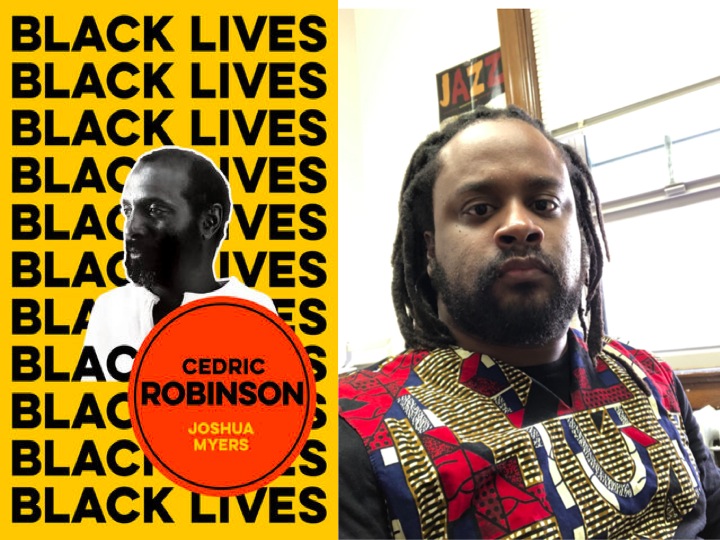
“The real protection of Black life requires that we imagine a different order entirely. What is revolutionary about Black thinking is less a program of liberation, but a poetics of liberation. The form was verse, the meaning was a future free of imposition. Yet what became important about such a conception was that this future was not a direction or a destination—it was simply a way of being. The Black Radical tradition is a seeking and a searching for a mode of society, of being together that resists the exclusionary impulse at the heart of the “modern” state or colonial project. A poetics of liberation is that seeking. It is that being.” – On Joshua Myers’s The Black Radical Tradition; or a Poetics of a Liberation
Uplifting Black Poetic Resistance
Aja Monet, Amiri Baraka, Assata Shakur, Audre Lorde, Cecily Nicholson, Chelene Knight, Chris Abani, Dionne Brand, Gwendolyn Brooks, Hope Anderson, Jillian Christmas, Juliane Okot Bitek, June Jordan, Ladan Osman, Maya Angelou, Nayyirah Waheed, Nikki Giovanni, Safia Elhillo, Sonia Sanchez, Warsan Shire, Wayde Compton & many more…
Poetry and Narrative
“Narrative is so seductive. I found poetry to be doubly so, and doubly effective in undoing that heteronormative, European imperialist narrative. I was curious about what literature might do to describe my own life and the lives of people who were like me… Poetry gives one the possibility of thinking newly all the time. A metaphor is a beautiful object that doubles up meaning and that also changes meaning, that breaks meaning. I’m excited about what those texts do in the world, and what the effects they have on the people who read them and think them and think with them.” – Dionne Brand here
“Dance of the Page”
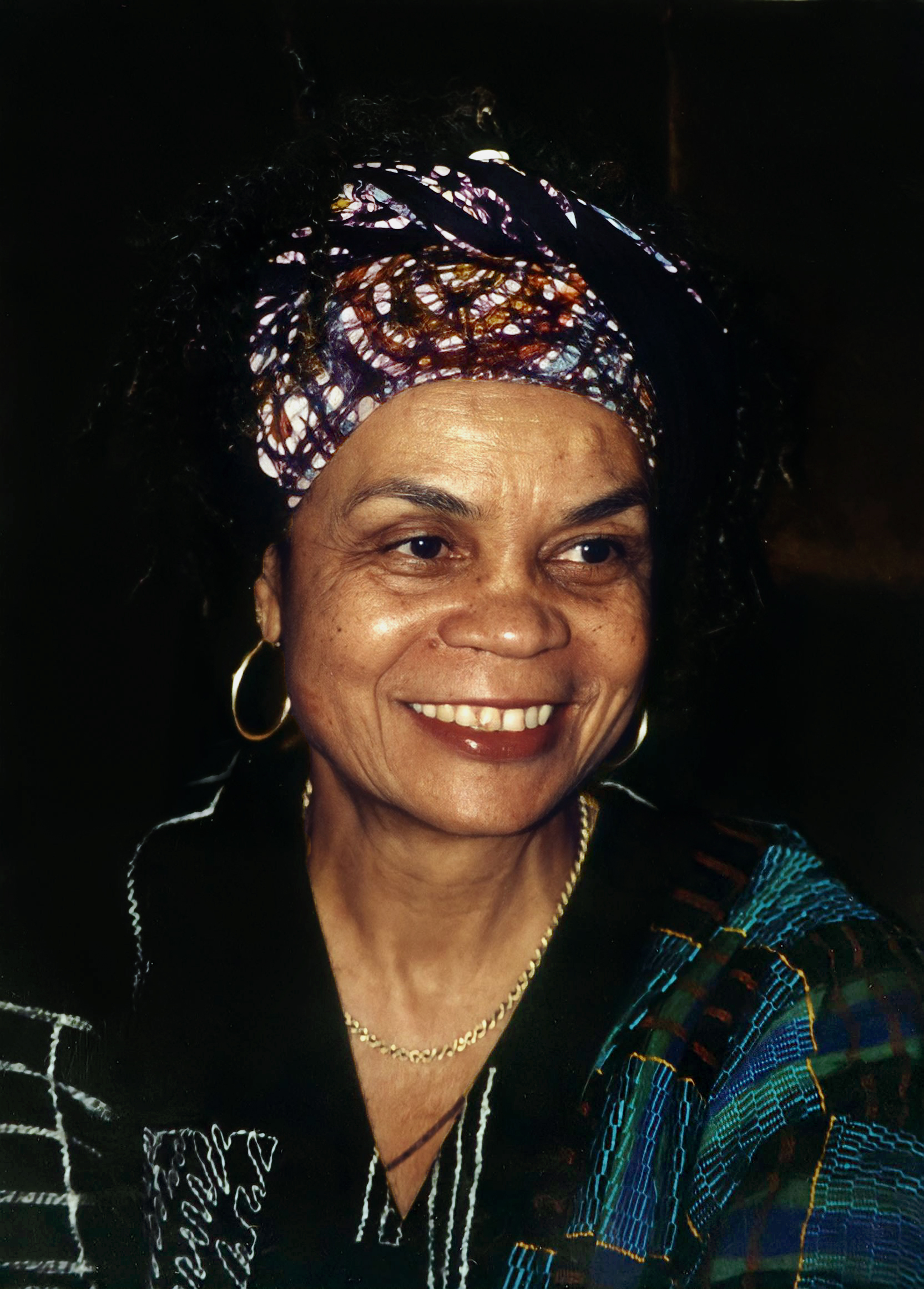
“When you give it out to an audience, it has got to be there, pulling up, getting ready to soar, dance, spread itself, do the magic that needs to be done, to capture them, to make them enter your arena, and they don’t get released until you are at the end of that poem. That’s the power that you and that poem will have over an audience. You’ve got to understand that there’s music in those lines and in those words. There’s magic in them. But there’s also authority in there. There’s also a responsibility…
[T]he function of your art is not necessarily to save people from horrors, but to give us all the strength to face them down. And then when the poem is read, it transfers to the audience the responsibility contained in the words… [W]e would call on our ancestors. Who had challenged us to write a scream in a poem that would tell the truth, that would ask for mercy, that would let them see that you come from this herstory and history and you got to tell that story so we can all get to the truth and be whole again.” – Sonia Sanchez here
Poetry as Witnessing
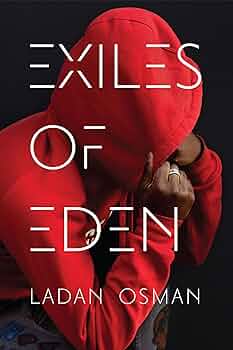
“I think sincere witness can function like a skeleton key. A good story—one that knows its use and power—startling imagery and syntax, and a curious perspective can help us bypass problematic social and political structures that are in part designed to limit voice.” – Ladan Osman here
Conversations
“[I]n my own experience, as a poet coming up in Vancouver in the ‘90s who was the only poet of African descent in my scene, I was often writing using allusions or forms, and reading books that my friends weren’t reading and didn’t necessarily know about. So in a certain way, yes, it was a scene, but in another way, I was also doing my own thing. It felt like having conversations with books rather than the people who were there.” – Wayde Compton here
Black Feminist Politics of Refusal
“Black feminist politics of refusal depicts how Black feminist philosophers for Black women and girls refuse to sell themselves short, refuse institutionally imposed intellectual trajectories, and refuse to respond to philosophy’s call to order in their attempts to lay down uncompromisingly Black feminist agendas.” – Axelle Karera here
Uses of the Erotic
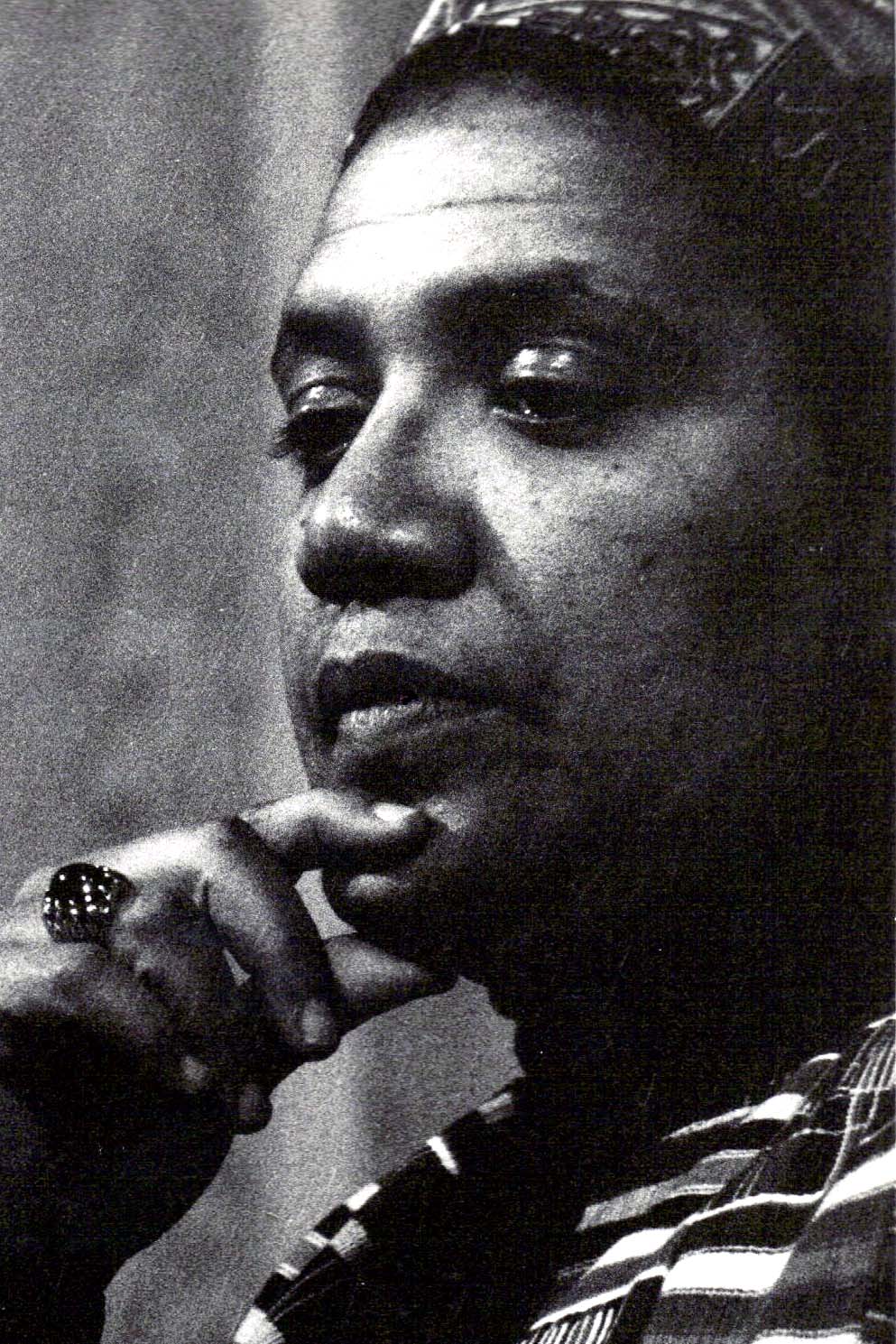
“The principal horror of any system which defines the good in terms of profit rather than in terms of human need, or which defines human need to the exclusion of the psychic and emotional components of that need—the principal horror of such a system is that it robs our work of its erotic value, its erotic power and life appeal and fulfillment…
Our erotic knowledge empowers us, becomes a lens through which we scrutinize all aspects of our existence, forcing us to evaluate those aspects honestly in terms of their relative meaning within our lives. And this is a grave responsibility, projected from within each of us, not to settle for the convenient, the shoddy, the conventionally expected, nor the merely safe.” – Audre Lorde here
Selected Poetry:
My Dreams, My Works Must Wait Till After Hell by Gwendolyn Brooks from Selected Poems here
Riot by Gwendolyn Brooks here
100 Days: A Poetic Response to Wangechi Mutu’s #Kwibuka20#100 Days 1-10 by Juliane Okot Bitek here
Nomenclature for the Time Being (Excerpt) by Dionne Brand here
Northern Light by Jillian Christmas here
Still I Rise by Maya Angelou here
Rosa Parks by Nikki Giovanni here
Affirmation by Assata Shakur here
Interviews and articles about their poetry & art
“Poetry always comes back to us”: Wayde Compton in Conversation with Hope Anderson here
Good Literary Citizens: An Interview with Ladan Osman here
The Uses of the Erotic by Audre Lorde here
Poetry Is Not a Luxury by Audre Lorde here
“To Share Equally The Benefits of Living” – Dionne Brand on Nomenclature, Sanctioning All Revolts, and Registering Black Duration here
Talib Kweli & Sonia Sanchez On The Black Arts Movement, Amiri Baraka, Hip Hop here
Straight Down to the Bones: Black Arts poet Sonia Sanchez discusses the ancestral influences on her work and how art can give us strength here
Black Feminist Philosophy and the Politics of Refusal by Axelle Karera here