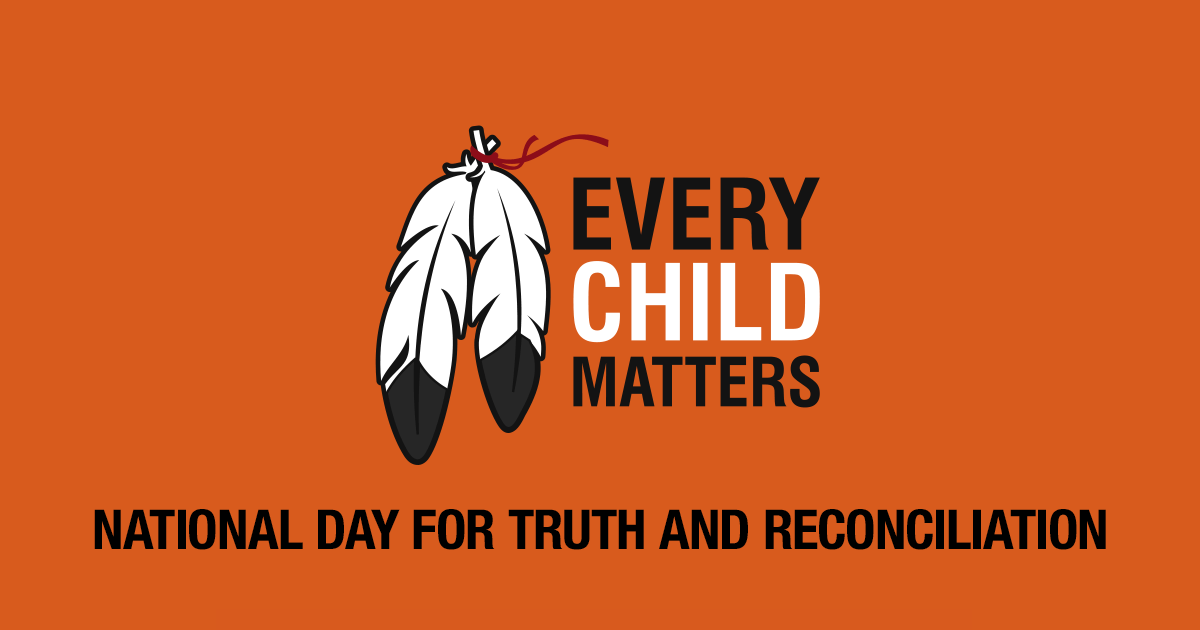
The National Day for Truth and Reconciliation is observed annually on September 30 to honour residential school survivors, their families, and the children who never returned home. TRC Day was established in response to the direct call by survivors, Call to Action 80, of the Truth and Reconciliation Commission. Survivors called on the government to create a day recognizing Survivors, their families, and communities while ensuring the history of residential schools are publicly remembered.
As part of Canadian genocidal and assimilationist policies, from 1867 to 1997 the Canadian government forcibly kidnapped more than 150,000 First Nations, Métis and Inuit children from their homes into residential schools – which many Indigenous people refer to as concentration camps. Today we witness growing residential school denialism, with the horrific and harmful spread of racist and anti-Indigenous misinformation to undermine survivors and maintain settler-colonial violence.
For National TRC Day, the Weaving Our Worlds collective will be at the Survivor-led TRC day gathering on unceded xʷməθkʷəy̓əm, Sḵwx̱wú7mesh & səlilwətaɬ lands. Survivors and community are calling on people to “gather in truth, honour Survivors, celebrate resilience, and walk forward together.”
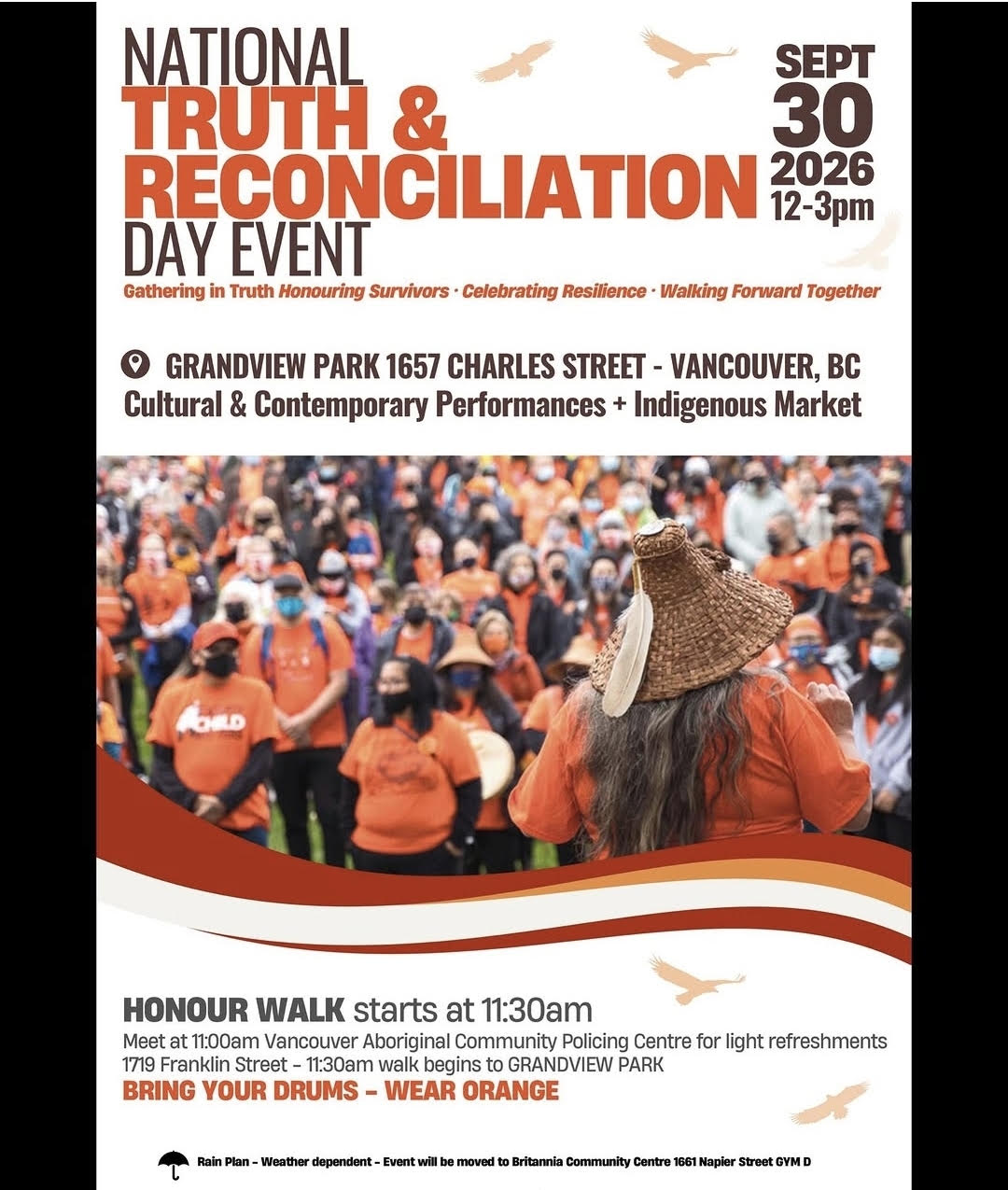
We humbly encourage everyone to also attend on Wed Sep 30 at Grandview Park.
ReconciliACTION by Redistributing Stat Pay
At a minimum, take up the call by Indigenous peoples and organizations for settlers to redistribute TRC Day stat pay to Indigenous-led organizations like One Day’s Pay, and also for movements and direct aid efforts.
The Weaving Our Worlds network is committing to One Day’s Pay and collectively redistributing the material and financial privileges we gain as settlers on this day. We are re-distributing the stat pay from our day-jobs and sending $4200 to Sacred Earth, Clan Mothers Healing Village & Knowledge Centre, and Stqeeye’ Learning Society (accountability receipts). Settler-colonial privilege and violence shows up in so many ways every day, and this is just one concrete and material way to disrupt that.
One Day’s Pay is a grassroots effort to mobilize settlers in Canada to meaningfully recognize the genocidal history and ongoing legacy of residential schools, and to honour their survivors, their families and communities. As an act of responsibility, repair and reciprocity, redistribute your stat pay (or more!) to Indigenous-led organizations through One Day’s Pay.
Additional TRC Day Gatherings:
Online: The Right to Truth and Protecting Indian Residential School Records
Sep 29 Orange Shirt Day at Frog Hollow Neighbourhood House
TRC Day at Carnegie Community Center
TRC Day in West Vancouver, featuring Phyllis Webstad
Intergenerational March at UBC
TRC Sacred Fire Ceremony at xʷc̓ic̓əsəm
TRC Pop Up Market Showcasing Indigenous Vendors
TRC Culture and Reflection in North Vancouver
TRC Film Screenings at Trout Lake Community Center
Our Stories to Tell at Cinematheque
What Do You Know About Truth and Reconciliation
The National Centre for Truth and Reconciliation has been issuing a direct challenge for years for Canadians to read the TRC report and 94 Calls To Action. This is to address the fact that there are still so many Canadians who have not done so.
Truth and Reconciliation Commission Reports
Honour the truths that residential school survivors have shared and that TRC Day centers and upholds:
Age-Specific Resources by National Centre for Truth and Reconciliation
Wawahte: Stories of Residential School Survivors
Stolen: Surviving St. Michael’s
Our Stories…Our Strength video collection
Inuit Survivors – We Were So Far Away
Protecting the Record: Indian Residential School Litigation and the Right to Truth
We also encourage spending time respectfully learning on residential schools, the ongoing genocidal reality of Canada, and how to act to dismantle the ongoing violent harms upon Indigenous families, communities, and Nations:
Residential School Denialism Is on the Rise. What to Know and How to Confront It
Reconciliation on Hold: The Impact of Pausing Residential School Survivor Funding
Statement on the Permanent Peoples’ Tribunal on Missing Indigenous Children and Unmarked Graves
Questions you can ask yourself as a non-Indigenous person participating in TRC Day
Yellowhead Institute: How Do You Like Your Reconciliation
Indigenous Voices – Documentary Collection
For those providing support and care for survivors: Kuu-Us Crisis Line for Elders, adults and youth is at 1-800-588-8717.